
Helmets & Shields
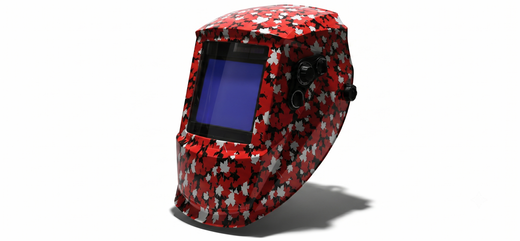
Head and face protection for stick, MIG, TIG, plasma and grinding. The helmet is the one piece of equipment a welder wears for every hour of every shift, and the cheapest one on the shelf is rarely the cheapest over its life.
What actually separates helmets
- Viewing area - a larger lens reduces neck movement and helps in positional work. It is the difference most welders notice first.
- Number of arc sensors - two sensors are adequate for open bench work. Four matter when the arc is partially obscured, which is most out-of-position and in-position fabrication.
- Switching speed - how fast the lens darkens on arc strike. Slower switching is what causes the gritty, tired eyes at the end of a shift.
- Shade range and adjustment - a grind mode and a variable shade range mean one helmet covers tacking, welding and finishing without lifting it.
- Hard hat compatibility - required on most Ontario sites. Helmet and hard hat combinations are stocked rather than improvised.
Budget for the lenses too
Cover lenses are consumable and should be replaced the moment spatter starts scattering light. A scratched cover lens costs more in weld quality than it does to replace.
Replacements live in Helmet Lenses & Accessories - universal cover plates and passive filter shades in both standard sizes, plus brand-specific packs for Miller Elite and Speedglas.
Try helmets on at our North York counter before committing - fit and balance do not come across in a photograph.
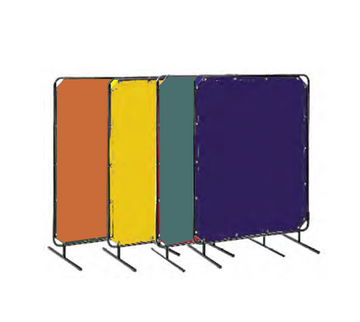
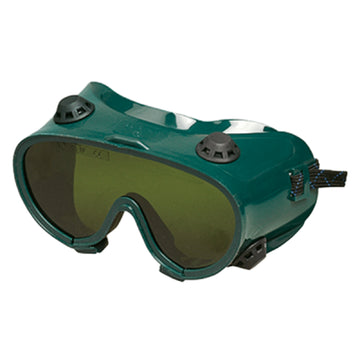
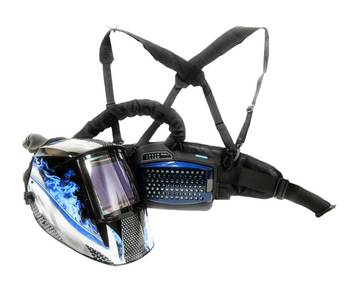
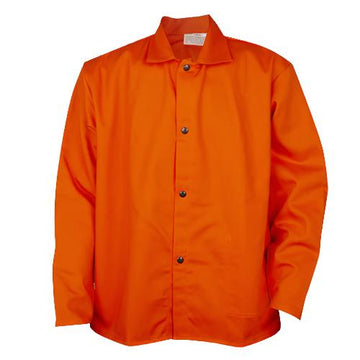


How to Choose the Right Welding Helmet: Shade Numbers, Safety Standards, and Features
A shade-number-first, CSA/ANSI-grounded buying guide to choosing a welding helmet for MIG, TIG, Stick, and plasma work — fixed vs. auto-darkening, sensors, PAPR, and MapleWeld's lineup...