
Stick & MIG Gloves
Heavy welding gloves for stick and MIG - the processes that throw the most spatter and put the most radiant heat on the back of the hand.
What separates a good pair
- Kevlar stitching. Cotton thread burns through at the seams long before the leather fails, and a glove with an open seam is finished. Kevlar-stitched gloves routinely outlast cotton-stitched ones by a wide margin for a small price difference.
- Lining. Cotton-lined gloves insulate far better against sustained radiant heat and are more comfortable through a full shift. Unlined gloves give more feel and run cooler in summer. Most welders end up owning both.
- Cuff length. A long cuff protects the wrist and forearm and tucks under a jacket sleeve. Short cuffs are faster on and off but leave a gap exactly where spatter rolls.
- Leather. Split cowhide is the durable standard for stick. Goatskin on the palm with cowhide on the back gives more dexterity for MIG without losing heat protection where it matters.
Heat reflective pads
Back-of-hand pads sit over the glove for overhead and high-amperage work, where radiant heat comes straight down onto the hand. Cheaper than replacing gloves that have gone hard from repeated overheating.
These are not TIG gloves
Stick and MIG gloves are deliberately thick. You will not feel filler rod through them. For TIG, see the TIG Gloves category - thin goatskin and sheepskin built for dexterity.
Retire them on condition
Leather that has gone hard and cracked no longer sheds spatter, and a burn-through hole is a hole. Gloves are consumable.
Free shipping over $175 across Canada. Try them on at our North York counter.
More in Safety Gear & Equipment
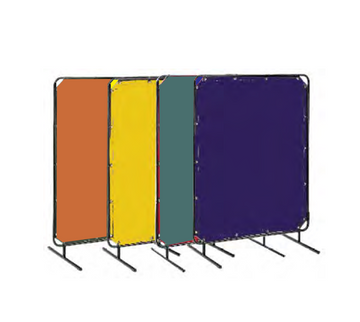
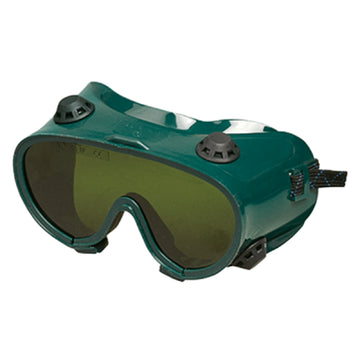
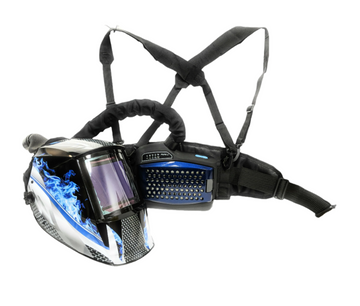
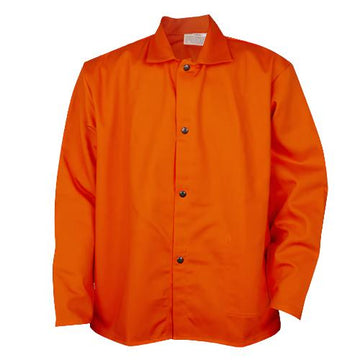
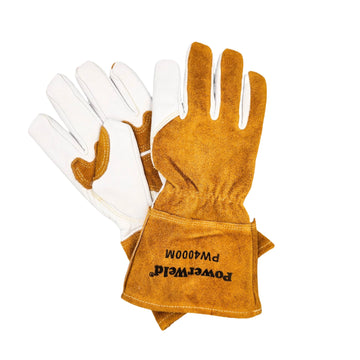
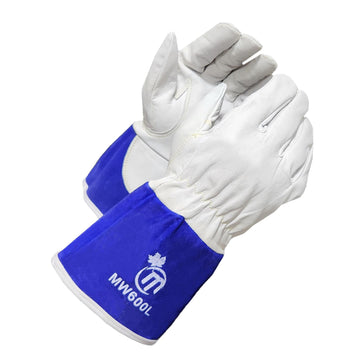
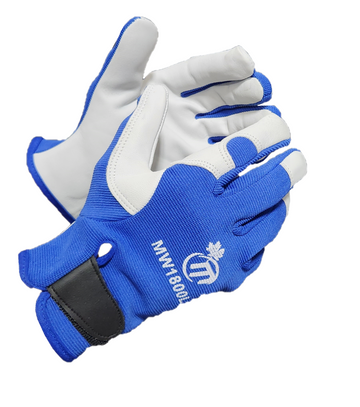
 Welding Gloves
PowerWeld 4000 Premium MIG Welding Gloves – Goatskin & Cowhide Kevlar®-Stitched Gloves
$26.99 Sale Welding Gloves
MapleWeld MW800 Kevlar® Stitched Cowhide Welding Gloves – Heat-Resistant Stick & MIG Welding Gloves
$24.49 Welding Gloves
MapleWeld MW900 Split Leather Stick/MIG Cotton Lined Welding Gloves
$18.99 Safety Gear & Equipment
PowerWeld Double-Layer Heat Reflective Back of Hand Pad – Welding Glove Overlay
$12.99 Safety Gear & Equipment
MapleWeld MW1600 Leather Welding & Oven Gloves – Heat-Resistant Work Gloves for Welding
$18.99 Safety Gear & Equipment
PowerWeld Triple-Layer Back Hand Pad – Heavy-Duty Welding Glove Overlay
$14.99 Safety Gear & Equipment
MapleWeld MW1600 Yellow Split Leather Stick/MIG Cotton Lined Welding Gloves
$18.99 Welding Gloves
MapleWeld MW400 Suede Stick/MIG Welding Gloves
$13.59 Safety Gear & Equipment
MapleWeld MW1300 Red Split Leather Stick/MIG Cotton Lined Welding Gloves
$18.99 Welding Gloves