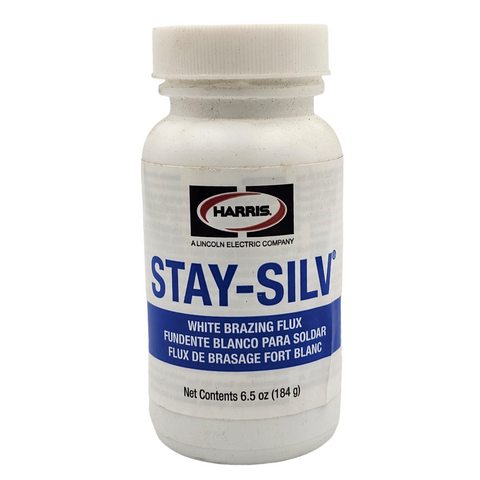
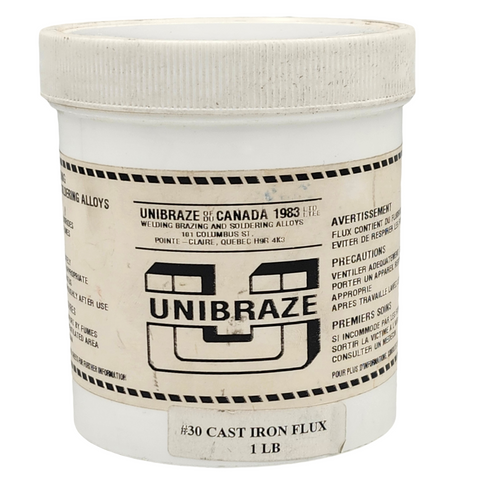
Fluxes
Fluxes for brazing and for cast iron welding - the chemistry that makes filler metal actually bond instead of sitting on the surface.
What flux is for
Every metal carries an oxide layer, and that layer melts far above the metal beneath it. Heat a joint without flux and the filler meets oxide, balls up and refuses to wet. Flux dissolves that oxide and keeps the surface clean while the joint comes up to temperature, so the filler can draw into the gap by capillary action.
This is why a brazed joint either works beautifully or does not work at all. There is very little in between, and flux is usually the reason.
Match the flux to the temperature
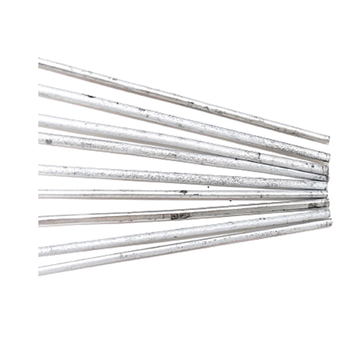
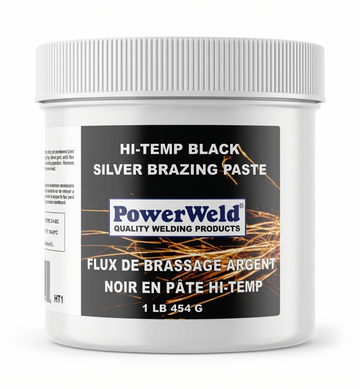
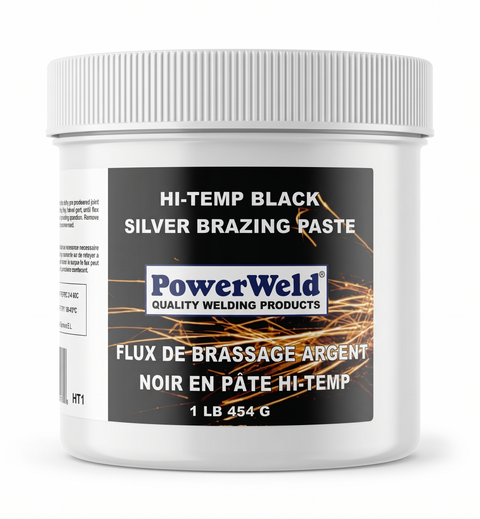
- High temperature silver flux - for the silver alloys, BAg and higher-flowing work.
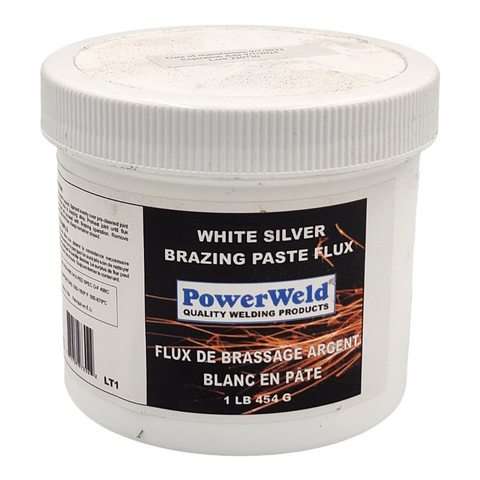
- Low temperature silver flux - activates earlier, for lower-flowing alloys and thinner sections.
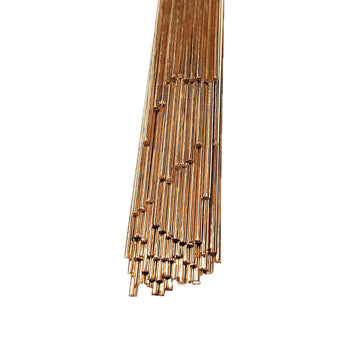
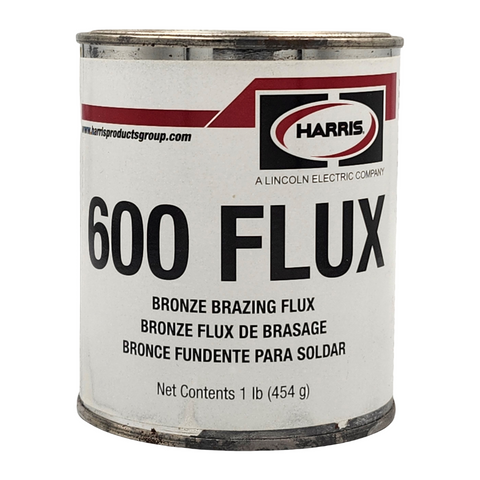
- Bronze brazing powder flux - for bronze and brass filler on steel and cast iron.
- Cast iron powder flux - formulated for the graphite and silicon in cast iron, which ordinary flux does not handle.
Using a flux outside its range is the most common failure: too high and it burns off and turns to glass before the filler flows; too low and it never activates.
Signs it is working
Flux should go clear and watery at brazing temperature and stay that way. If it has gone black and crusty, it has burned out and the joint underneath is oxidising - back off the heat and start again on a clean surface.
Clean it off afterwards
Flux residue is corrosive. Hot water and a wire brush while the work is still warm.
Brand range: Harris.
Counter pickup in North York.