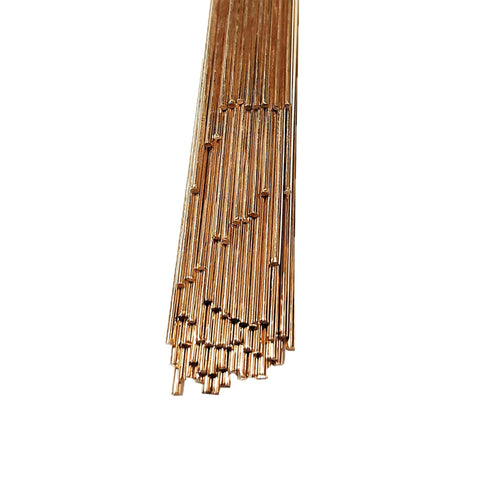
Bronze
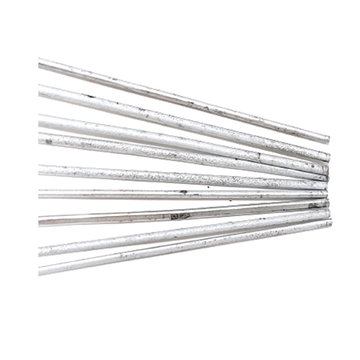
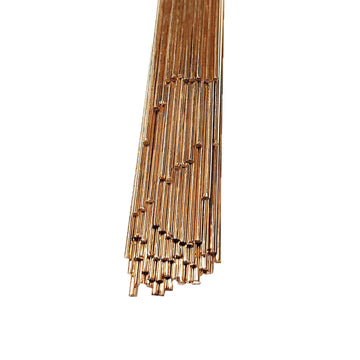
Bronze brazing rod - silicon bronze for TIG and gas work, and low-fuming bronze in bare and flux-coated form for braze welding steel, galvanised sheet and cast iron.
Braze welding is not a compromise
Bronze braze welding joins steel and cast iron at a temperature well below their melting point. The parent metal never fuses, so the heat-affected zone is small, the distortion is slight and the stresses that crack a cast iron weld never build.
On thin sheet, on galvanised material, on dissimilar joints and on cast iron repair, it frequently outperforms an arc weld - not because it is stronger, but because it does not destroy the part in the process of joining it.
What the three rods are for
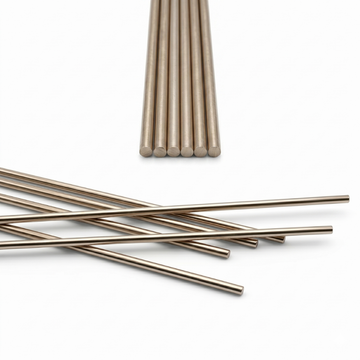
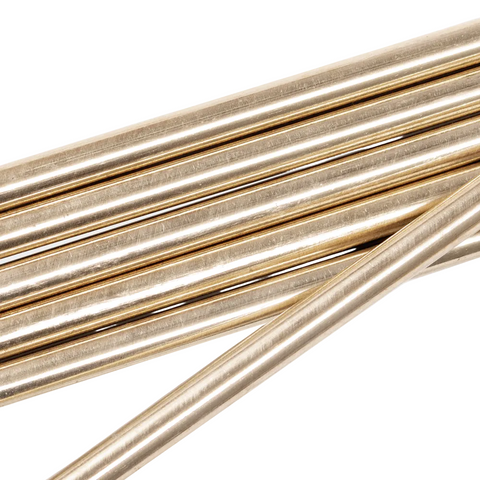
- Silicon bronze - the TIG brazing rod. Copper-silicon, flows cleanly, and it is the standard for galvanised sheet, for autobody and for thin steel where arc heat would burn through. It also braze-welds copper and dissimilar joints, and the deposit is soft enough to work afterwards.
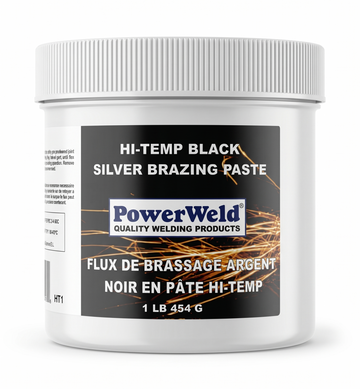
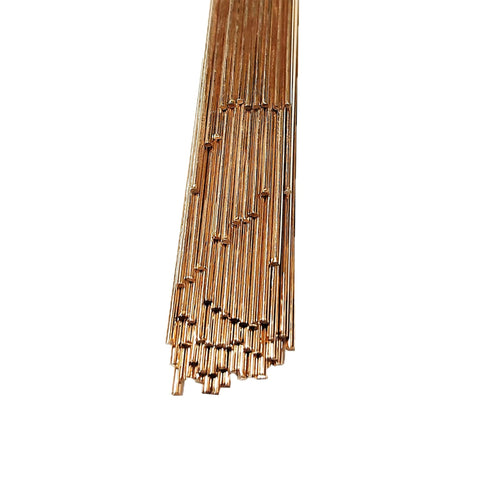
- Low fuming bronze, bare - for gas braze welding steel and cast iron, used with a separate flux. Higher strength than silicon bronze and the workhorse for structural braze welding and cast iron repair.
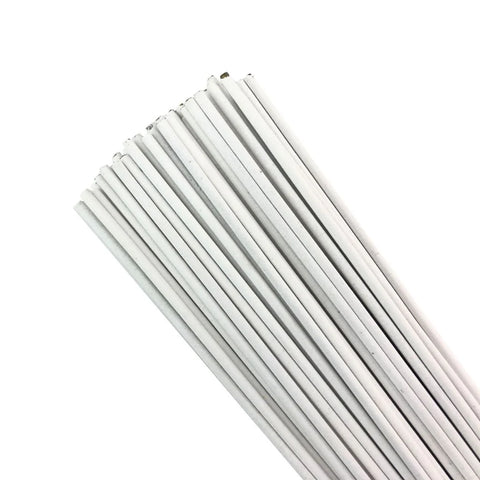
- Low fuming bronze, flux coated - the same alloy with the flux already on the rod. Less to carry, faster on site, and it removes the most common error in bronze work, which is insufficient flux.
"Low fuming" means less zinc fume, not none
The fume from bronze brazing is zinc oxide, and it causes metal fume fever - chills, aching and fever hours after the work, often mistaken for flu. Low-fuming alloys reduce the zinc coming off; they do not eliminate it.
Extraction at the arc or a respirator, every time, and more so on galvanised material, where the zinc coating adds its own fume on top of the rod's. This is the single genuine hazard on this page and it is routinely underestimated because the symptoms arrive late.
Flux is not optional and heat kills it
Bronze does not wet oxidised steel. The flux dissolves the oxide and keeps the surface clean while the rod flows, and without it the bronze balls up and sits on the joint.
Overheat the joint and the flux burns off before the rod flows, which looks identical to having used no flux at all. If the bronze is not wetting, the first thing to check is not more heat - it is less.
Tin the surface, then fill
Wet a thin film of bronze across the prepared joint first and confirm it is bonding, then build. A bead laid onto a surface the bronze has not tinned looks finished and peels off under load.
Free shipping over $175 across Canada. Counter pickup in North York.