
Brazing
Silver brazing alloys and fluxes for copper, brass, bronze and dissimilar-metal joints. Brazing joins below the melting point of the base metal, which is why it is the right process for thin-wall tube, for joining metals that cannot be welded to each other, and for anything that must not distort.
Choosing the alloy
- BCuP-5 (15% silver) is a phosphorus-bearing copper alloy. On copper-to-copper joints it is self-fluxing - the phosphorus does the work - which is why it dominates refrigeration and plumbing. Do not use phosphorus-bearing alloys on ferrous metals or on nickel alloys; the joint becomes brittle.
- BAg-5 (45% silver) flows at lower temperature, wets a wider range of base metals and produces a stronger, more ductile joint. The alloy to reach for on steel, stainless, brass and mixed-metal work.
Cadmium-free is not optional
The alloys stocked here are cadmium-free. Cadmium-bearing brazing filler produces fumes that are acutely toxic at brazing temperature, and there is no ventilation argument that makes it a sensible choice today.
Flux does the work you cannot see
Flux dissolves the oxide layer and lets the filler wet the joint. Without it, on anything other than a self-fluxing copper-to-copper joint, the alloy will ball up and sit on the surface instead of drawing into the gap. High-temperature paste flux suits silver alloys; match the flux temperature range to the alloy, not to what is open on the bench.
Joint gap decides joint strength
Brazing works by capillary action. Too tight and the filler cannot draw in; too loose and it will not bridge. A properly gapped brazed joint is frequently stronger than the base metal around it.
Free shipping over $175 across Canada. Counter pickup in North York.
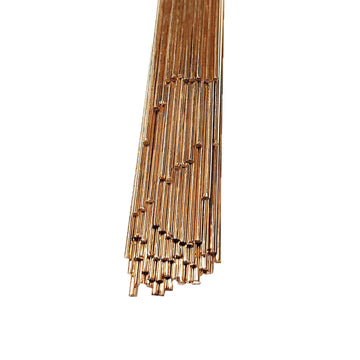
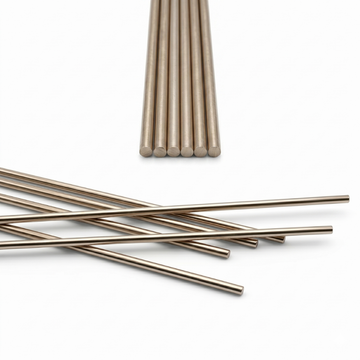
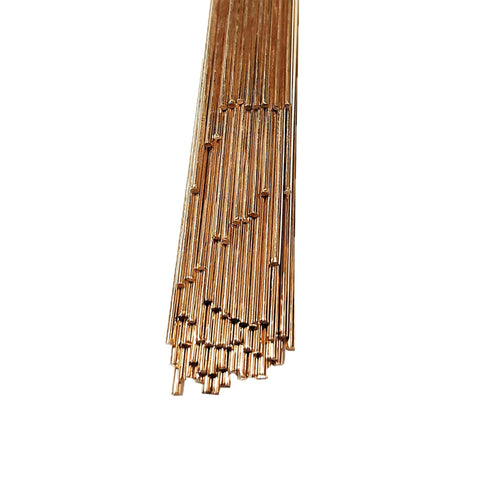
Low Fuming Bare Bronze 3kg Sleeve - 14" Length
$95.20
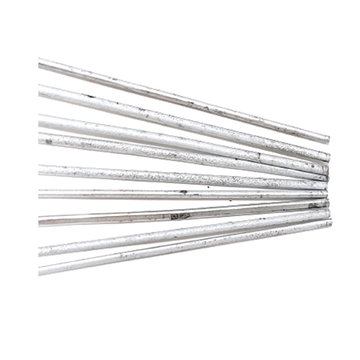
15% Silver Brazing Rods BCuP-5
$596.00
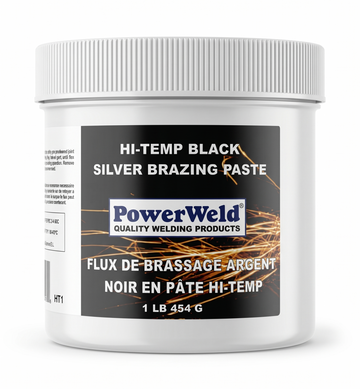
Black High Temp Silver Brazing Flux Paste
$27.90
45% Silver Brazing Wire BAg-5 Cadmium-Free
$649.00
Bronze Brazing Powder 600 Flux
$26.99
White Low Temp Silver Brazing Flux Paste
$19.90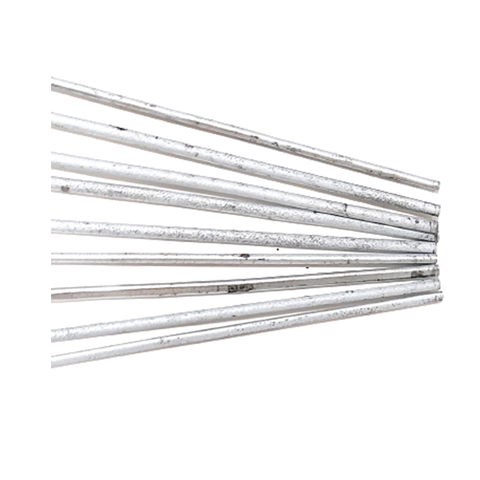
Aluminum Brazing Rod 3/32" 1lb
$59.00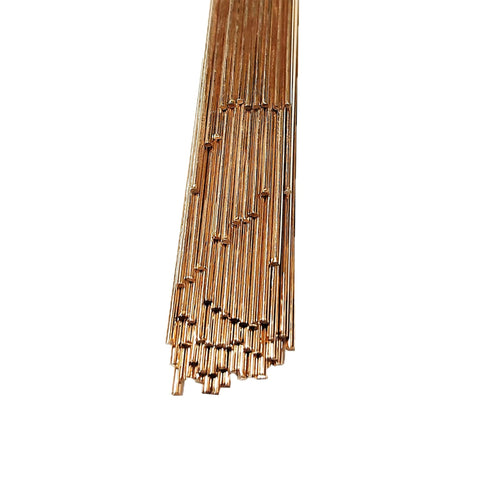
Silicon Bronze Brazing Rods
$279.00
Stay-Silv White Flux 6.5oz
$17.99
Stay-Silv 15% Silver Brazing Alloy
$399.00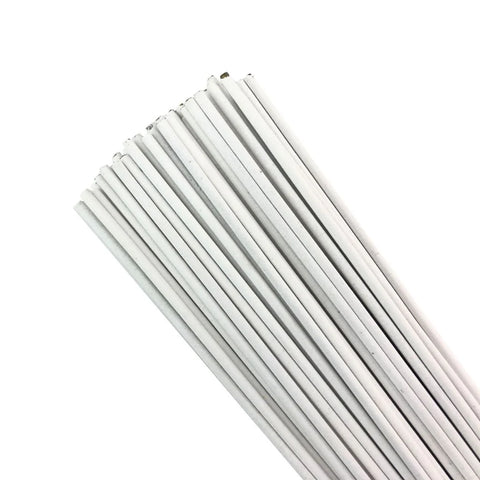
Flux Coated Low Fuming Bronze Brazing Rods
$279.00
Silicon Bronze Rods 3kg Sleeve - 14" Length
$139.00
318-11 Oxygen Cylinder Cap - 8FRN-P Fine Thread
$13.90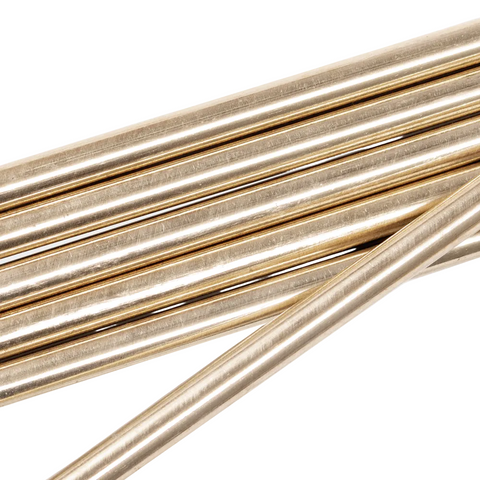
Low Fuming Bare Bronze Brazing Rods
$219.00
White Powder Flux for Cast Iron
$27.90
Stay-Silv 2% Silver Brazing Alloy 25lb Pack
$2,699.00
Stay-Silv 2% Silver Brazing Alloy 28 Stick Tube
$109.00
4101 All Purpose Power Brazing Flux
$29.00