
Stainless Steel Welding
Stainless steel welding consumables across stick, MIG and TIG - 308L, 309L and 316L grades for austenitic stainless and for dissimilar-metal joints.
Grade selection decides the job
- 308L - for 304 and 304L base metal. The general stainless fabrication standard and the most commonly stocked grade.
- 309L - higher alloy content, for joining stainless to carbon steel and for buffer layers on dissimilar joints. This is the selection people get wrong. Using 308L across a stainless-to-mild-steel joint dilutes the weld metal below the alloy level it needs, and the joint becomes brittle and crack-prone in service.
- 316L - molybdenum-bearing, for 316 base metal and anywhere chlorides are present. Marine, food processing and chemical service.
The L is not decoration
L designates low carbon. Less carbon means less chromium carbide precipitating at the grain boundaries during the weld thermal cycle - which is precisely the mechanism that causes intergranular corrosion later. On anything corrosion-critical, specify the L grade and do not substitute.
Heat input is the other half of corrosion resistance
Stainless conducts heat poorly and expands more than carbon steel. Excess heat input and high interpass temperatures distort the work and damage the corrosion resistance you are paying for. Run cooler, run faster, and control interpass temperature on multi-pass work.
Finish the weld properly
The heat tint along a stainless weld is a chromium-depleted layer. Left in place it will rust in service, and the customer reads that as a failed weld. Remove it with pickling paste or mechanically, and use stainless-dedicated brushes and abrasives only - iron particles transferred from mild steel tooling embed in the surface and rust exactly the same way.
Free shipping over $175 across Canada. Counter pickup in North York, and call us if you are matching filler to an unfamiliar base grade.
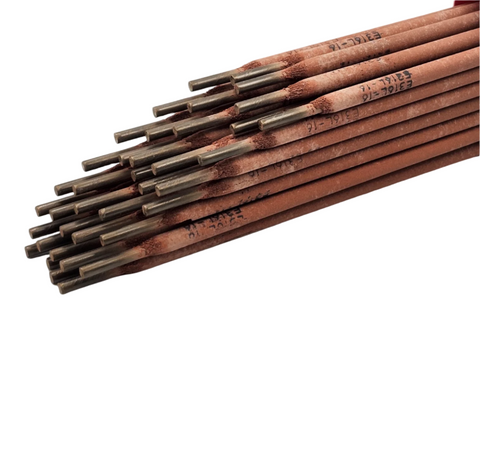
E316L Stainless Steel Stick Electrodes
$79.20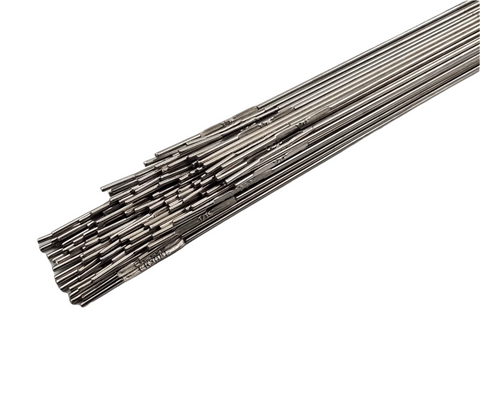
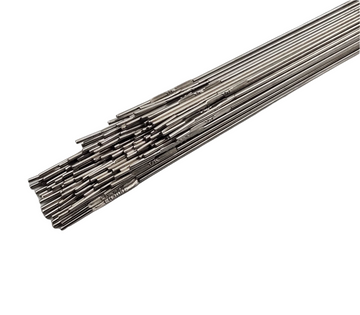
ER308L Stainless Steel TIG Welding Rods
$111.20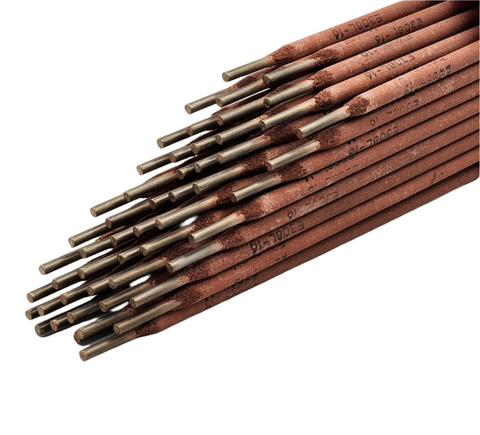
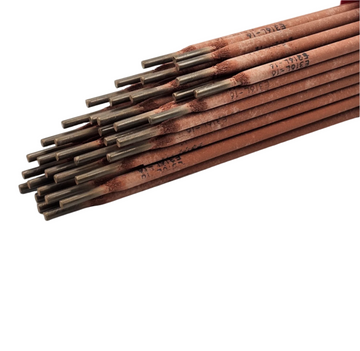
E308L Stainless Steel Stick Electrodes
$79.20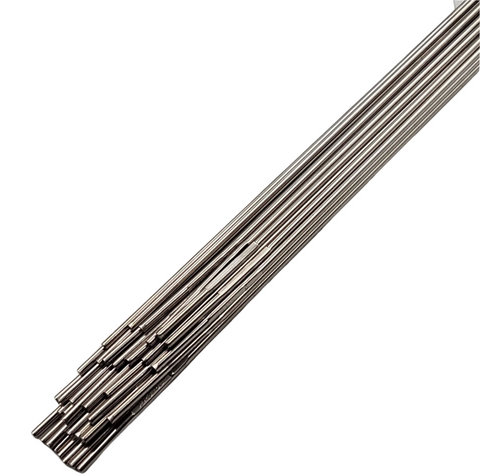
ER316L Stainless Steel TIG Welding Rods
$111.20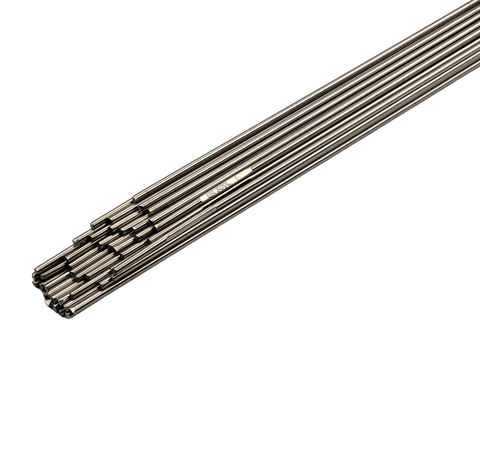
ER309L Stainless Steel TIG Welding Rods
$111.20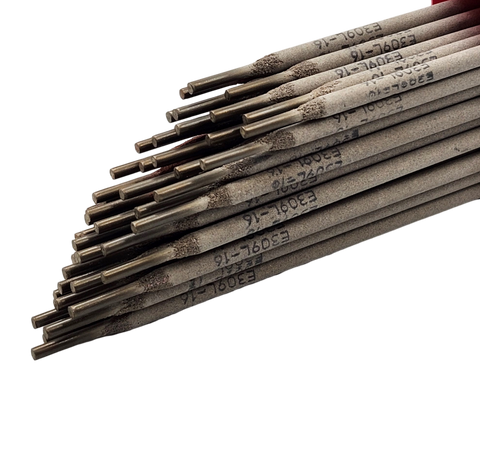
E309L Stainless Steel Stick Electrodes
$77.60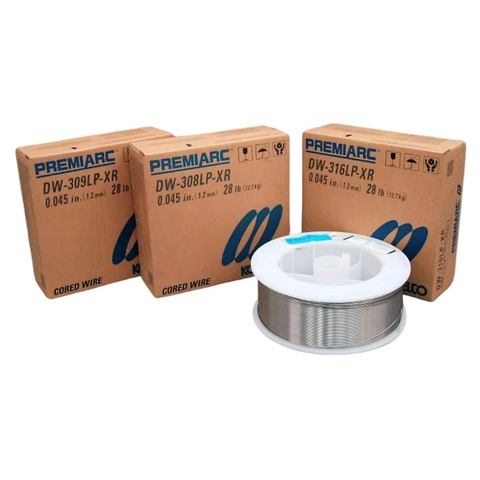
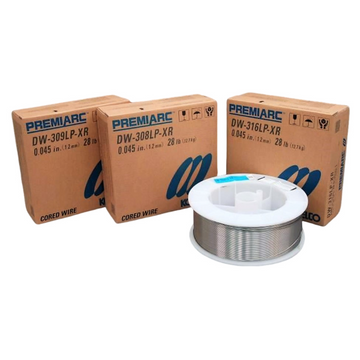
Stainless Steel Flux Cored Welding Wire
$898.00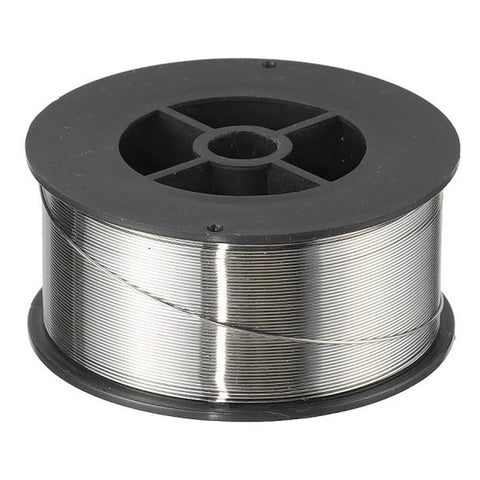
ER316 Stainless Steel MIG Welding Wire
$49.00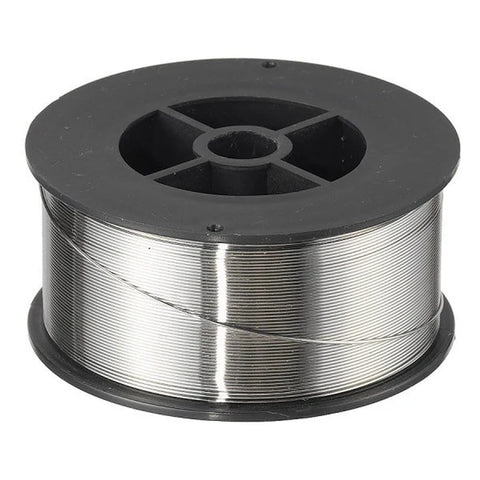
ER309 Stainless Steel MIG Welding Wire
$209.00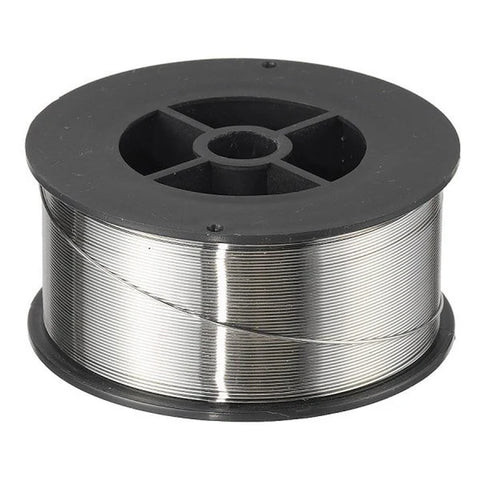
ER308 Stainless Steel MIG Welding Wire
$59.00
How to Choose the Right Welding Helmet: Shade Numbers, Safety Standards, and Features
A shade-number-first, CSA/ANSI-grounded buying guide to choosing a welding helmet for MIG, TIG, Stick, and plasma work — fixed vs. auto-darkening, sensors, PAPR, and MapleWeld's lineup...