
TIG Rods
TIG filler rod across steel, stainless and aluminum. On TIG the filler is added by hand and chosen deliberately, which makes it the process where getting the alloy right matters most and where there is no excuse for getting it wrong.
Steel
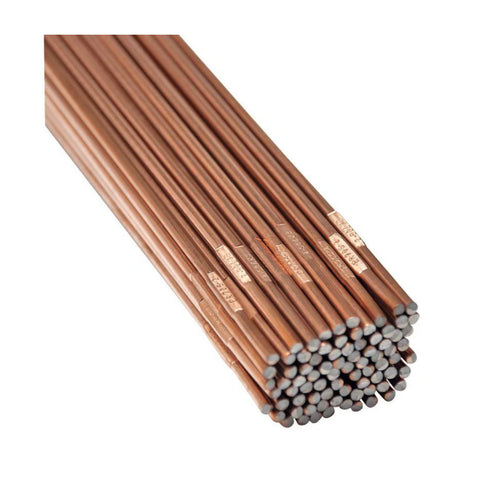
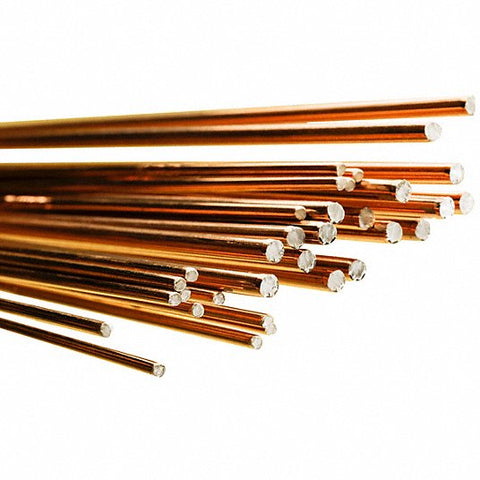
- ER70S-6 - the general mild steel rod, with deoxidisers that tolerate less-than-perfect material.
- ER70S-2 - triple deoxidised, for root passes and material you cannot fully clean.
- ER80S-D2 and ER80S-Ni1 - higher strength and low-temperature toughness for alloy and structural work.
- ER90S-B3 - chrome-moly, for elevated temperature and pressure service.
Stainless
- ER308L - for 304 and 304L.
- ER309L - for stainless-to-carbon-steel joints and buffer layers. Using 308L here dilutes the weld below its needed alloy content and produces a brittle joint.
- ER316L - molybdenum-bearing, for 316 and chloride environments.
Aluminum
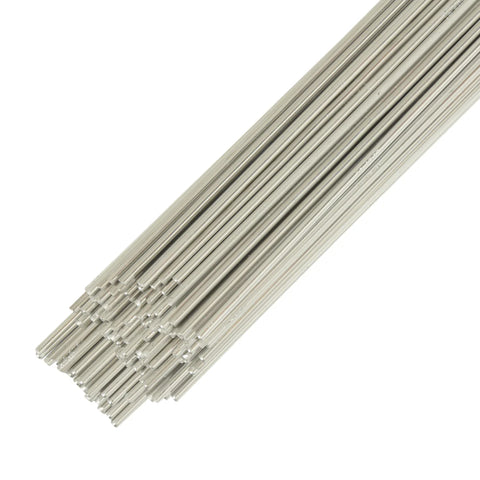
- ER4043 - flows easily, more crack-resistant on 6000 series. Will not anodise to match.
- ER5356 - stronger, more ductile, anodises close to the base metal. The choice for 5000 series and marine work.
Rod diameter tracks material thickness
Too thin and the rod melts before it reaches the puddle. Too thick and it chills the puddle and stops fusion. Close to the base thickness is the rule.
Storage is not optional
Filler rod left in the open picks up moisture, oxide and shop oil, and all three end up in the weld as porosity. Keep tubes closed, and wipe rods with acetone before use if they have been sitting out. On aluminum in particular, this is the difference between a clean weld and a porous one.
Free shipping over $175 across Canada. Counter pickup in North York.
20% OFF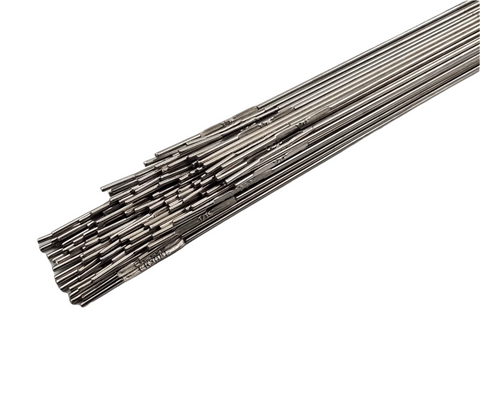
$139.00
20% OFF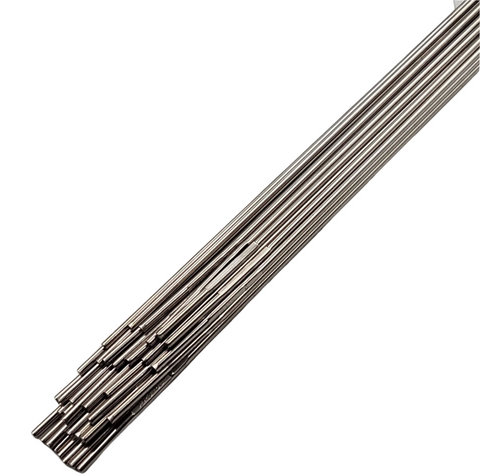
$139.00
20% OFF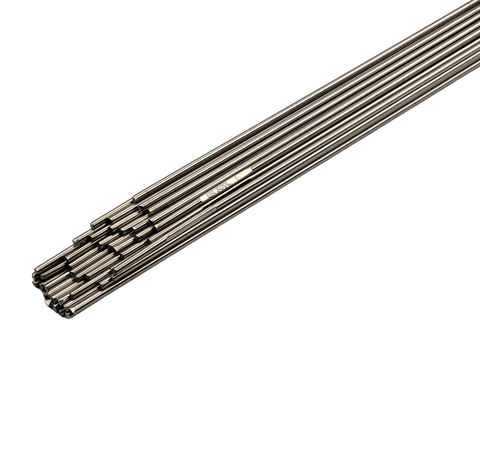
$139.00
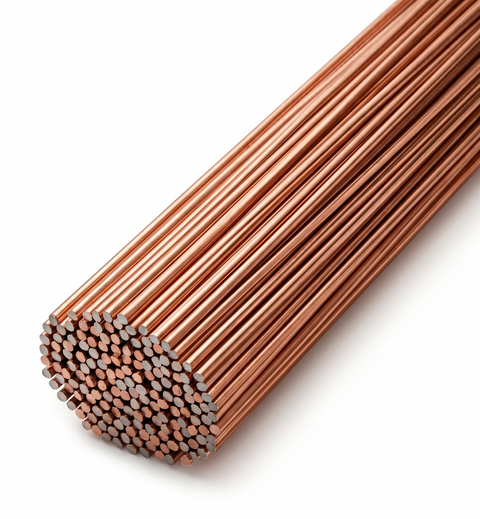
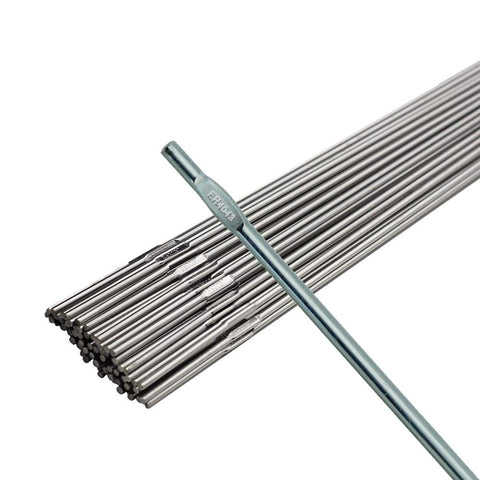
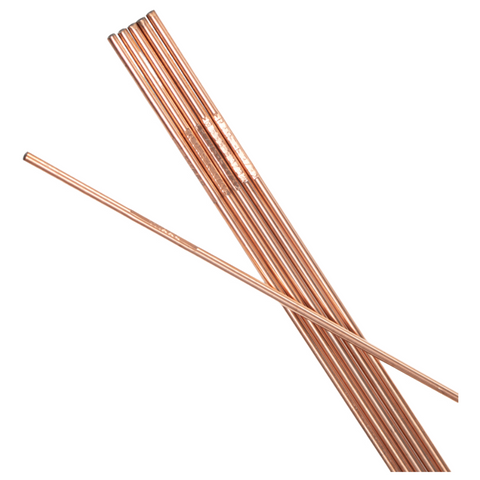
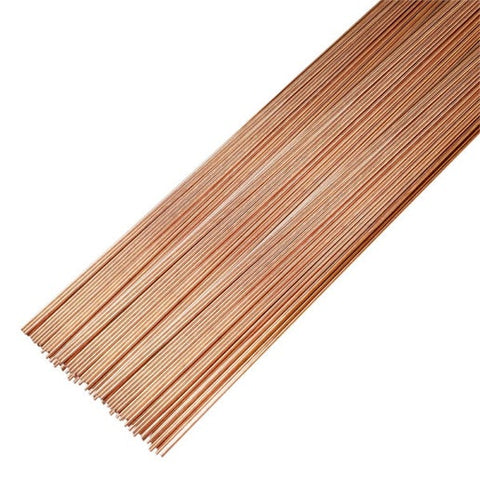
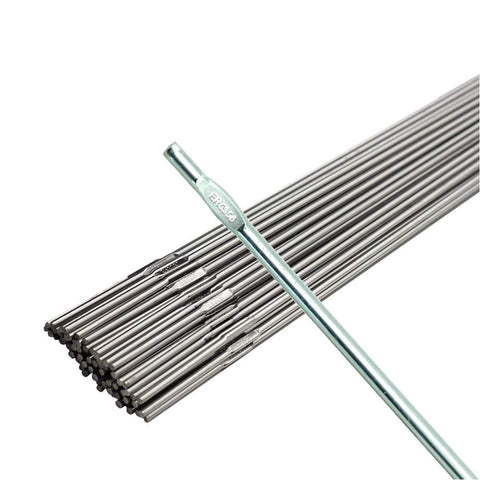
ER308L Stainless Steel TIG Welding Rods
$111.20
ER316L Stainless Steel TIG Welding Rods
$111.20
ER309L Stainless Steel TIG Welding Rods
$111.20
ER70S-6 Mild Steel TIG Welding Rods
$49.90
ER4043 Aluminum TIG Rods – 10lbs, 36" Length
$139.00
ER80S-Ni1 Steel TIG Welding Rods
$199.00
ER70S-2 Mild Steel TIG Welding Rods
$67.00
ER5356 Aluminum TIG Rods – 10lbs, 36" Length
$139.00
ER5554 Aluminum TIG Rods – 10lbs, 36" Length
$174.90
ER90S-B3 Steel TIG Welding Rods
$199.00